
Table of Contents
- How Weighted Blankets Work for Anxiety
- Does the Science Support Weighted Blankets for Anxiety?
- How to Choose the Right Weighted Blanket Weight for Your Needs
- How Long to Use a Weighted Blanket for Anxiety Relief
- Natural Ways to Reduce Daily Stress Alongside Weighted Blankets
- Pros and Cons: Is a Weighted Blanket Right for You?
- Conclusion: The Verdict on Weighted Blankets for Anxiety
- Frequently Asked Questions
Last Updated: October 4, 2026
How Weighted Blankets Work for Anxiety
A weighted blanket anxiety solution filled with glass beads or plastic pellets provides deep pressure stimulation that triggers your parasympathetic response, the part of your nervous system responsible for relaxation. This activates proprioceptive input, sending calming signals to your brain.
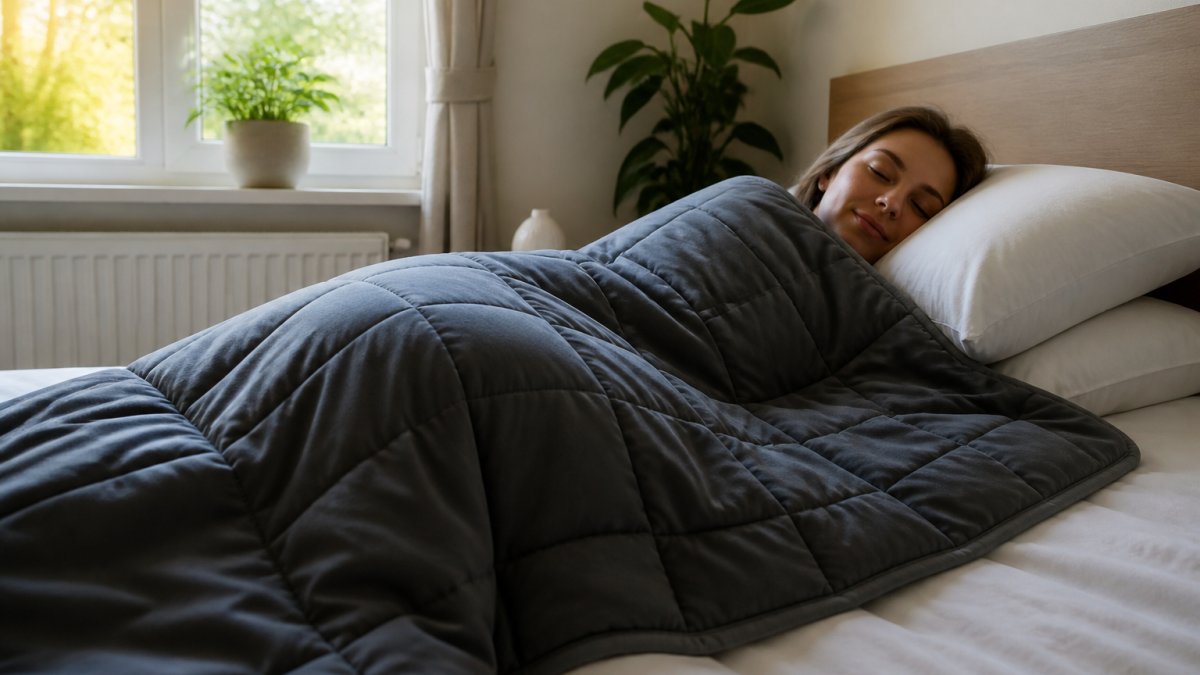
Deep pressure stimulation mimics being held or hugged, triggering serotonin release whilst reducing cortisol, the stress hormone. This dual action creates a measurable shift in how anxious bodies respond to tension.
Weighted blankets use internal fillings to create consistent pressure that doesn't shift during the night, maintaining the calming effect throughout your sleep cycle.
The effectiveness depends partly on the right weight for your body. Too light, and you won't feel the therapeutic pressure. Too heavy, and it becomes uncomfortable rather than soothing. Most experts recommend selecting a blanket that weighs approximately 10% of your body weight, though individual preferences vary.
Does the Science Support Weighted Blankets for Anxiety?
Research shows generally positive findings for weighted blankets' impact on anxiety, sleep quality, and nervous system regulation, particularly for specific populations.
Deep pressure stimulation triggering parasympathetic activation is well-documented in sensory research (Checking your browser). It increases heart rate variability, which correlates with better emotional regulation and lower baseline anxiety.
Not everyone responds equally. Some experience immediate relief; others need weeks of consistent use. People with sensory processing disorder (SPD) often benefit particularly from the predictable, controlled input.
Weighted blankets work best as part of a broader anxiety management strategy alongside cognitive behavioural techniques, exercise, and sleep hygiene, not as a replacement for professional mental health support when anxiety is severe.
Some users find effectiveness diminishes after several months of nightly use as the nervous system adapts to the stimulus. Rotating use, three to five nights per week rather than nightly, can maintain therapeutic benefit.
How to Choose the Right Weighted Blanket Weight for Your Needs
The most important decision is selecting the correct weight: approximately 10% of your body weight, though personal preference varies.
For example, someone weighing 70kg would start with a 7kg blanket, though some prefer lighter blankets for comfort and others want closer to 12% of body weight for more intense pressure.
Side sleepers often prefer lighter blankets; back sleepers feel more evenly distributed pressure. In warm climates, choose breathable fabrics like cotton or bamboo blends, as synthetic materials trap heat.
Glass bead fillings are quieter and distribute weight more evenly than plastic pellets, which shift easily and create rustling sounds. Organic cotton covers breathe better than synthetics, though they cost more.
A standard single bed blanket (150cm x 200cm) works for most people. Couples may prefer individual blankets to avoid temperature and weight conflicts.
How Long to Use a Weighted Blanket for Anxiety Relief
Most people notice initial calming effects within the first few nights, though sustained benefits take longer.
Use your blanket three to five nights per week for the first month to avoid immediate habituation. Nightly use for two to four weeks typically produces noticeable changes in sleep quality and daytime anxiety.
Benefits vary: some feel relief within days, others need two to three weeks. This depends on nervous system sensitivity, baseline anxiety, and whether you're using other anxiety management tools.
Understanding Habituation and Long-Term Effectiveness
A legitimate concern: your nervous system naturally adapts to consistent stimuli. After several months of nightly use, some users report the initial calming effect diminishes.
Habituation doesn't mean the blanket becomes useless, your nervous system has integrated the stimulus into its baseline state, so benefits become less noticeable.
To maintain benefit, use your blanket five nights per week with two nights off, or take a one-week break every three months. Some rotate between a weighted blanket and other grounding tools like weighted lap pads.
The effect is most robust when paired with meditation, therapy, exercise, or breathing techniques, which engage multiple nervous system pathways and reduce habituation.
Optimal Usage Patterns for Different Anxiety Profiles
For mild to moderate anxiety, three to five nights per week provides sustained benefit. For severe anxiety, nightly use for four to eight weeks, then transition to rotating use.
Discuss your usage pattern with your mental health provider. Some recommend consistent use during acute treatment, then rotating use as anxiety improves.
Track your response over four to six weeks to determine whether nightly, rotating, or occasional use works best for your nervous system.
Natural Ways to Reduce Daily Stress Alongside Weighted Blankets
A weighted blanket works best combined with other stress-reduction practices as one component of a comprehensive anxiety management system.
Building an Integrated Anxiety Toolkit
The most effective approach combines multiple mechanisms: a weighted blanket provides proprioceptive input and deep pressure stimulation; other tools address breathing, movement, cognitive patterns, and sleep architecture.
Deep Breathing and Breathwork
Deep breathing exercises complement the blanket because they engage different nervous system pathways. The pressure encourages slower, deeper breathing, amplifying parasympathetic activation.
Try box breathing (inhale for four counts, hold for four, exhale for four) under your blanket for five to ten minutes.
Physical Activity and Movement
Regular physical activity reduces cortisol and increases serotonin through a different mechanism than the blanket. Even 20-30 minutes most days improves baseline anxiety.
Exercise during the day, then use the blanket during wind-down. This addresses both active stress hormone reduction and parasympathetic recovery.
Sleep Hygiene as a Foundation
Sleep hygiene practices prepare your nervous system to respond to the blanket's calming effect. A chaotic sleep environment undermines the benefit; an optimised environment amplifies it.
Implement these practices alongside your blanket:
- Keep your bedroom cool (16-18°C) (Bedroom environment). A cool room enhances the blanket's effectiveness.
- Maintain complete darkness or use blackout curtains to support melatonin production.
- Eliminate screens at least one hour before bed. Blue light suppresses melatonin.
- Use consistent sleep and wake times to strengthen the blanket's effect.
These are foundational. A weighted blanket in a bright, warm, noisy bedroom with inconsistent sleep timing will be far less effective than in an optimised environment.
Mindfulness, Meditation, and Somatic Practices
Mindfulness and meditation strengthen your ability to regulate anxiety. A weighted blanket enhances meditation by reducing physical restlessness.
Use your blanket during body scan meditations. The pressure anchors attention to physical sensation, deepening the meditative state.
For somatic anxiety work, the blanket serves as a biofeedback tool. Feel where the weight is distributed and use that awareness to consciously relax muscles beneath the pressure.
Cognitive Behavioural Techniques
Limiting Anxiety Triggers
Consider limiting caffeine after early afternoon and managing your exposure to stressful content, particularly before bedtime.
Think of this as reducing the "load" on your nervous system.
Creating Your Personal Anxiety Protocol
The most effective approach is to design a personal protocol that combines these elements in a sequence that works for your life. For example:
- Morning: 20-30 minutes of exercise or movement
- Afternoon: Limit caffeine after 2 PM
- Evening: Dinner, then 10-15 minutes of meditation or breathing work
- Bedtime routine: Optimised sleep environment (cool, dark, quiet) + weighted blanket + consistent sleep time
This creates a full-day anxiety management system where the blanket is the final component in a chain of nervous system regulation.
Pros and Cons: Is a Weighted Blanket Right for You?
Pros of weighted blankets for anxiety:
A weighted blanket offers immediate tactile comfort that many people find genuinely soothing. The physical sensation of being held creates a psychological shift that pairs well with evidence-based anxiety management.
The non-pharmacological nature appeals to those seeking natural approaches to anxiety. Unlike medications, a weighted blanket carries no side effects and works through a mechanism your body naturally understands. You can adjust usage based on your needs without medical oversight.
They're portable enough for travel and flexible enough to use during the day (lap blankets work well whilst working or watching television) or at night. Once purchased, there are no ongoing costs or subscriptions.
Cons of weighted blankets for anxiety:
The initial cost can be substantial. Quality weighted blankets range from £60 to £200 or more, depending on materials and brand. This represents a significant investment for something that may not work equally well for everyone.
Some people find weighted blankets claustrophobic or uncomfortable, particularly those with sensory sensitivities or claustrophobia. The sensation of pressure, whilst calming for many, triggers anxiety in others. There's no way to know your response until you try.
Habituation can reduce effectiveness over time. Your nervous system adapts to consistent stimuli, which means the initial dramatic calming effect may diminish after several months of nightly use.
Temperature regulation is a genuine concern for warm sleepers. Even breathable fabrics trap more heat than regular bedding, which can be uncomfortable during warmer months or for anyone with naturally high body temperature. This limitation rules them out for some people entirely.
They're not a substitute for professional mental health treatment. If your anxiety is severe or interfering significantly with daily functioning, a weighted blanket alone won't address the underlying issue. It works best alongside therapy, medication, or other clinical interventions when needed.
Conclusion: The Verdict on Weighted Blankets for Anxiety
Is a weighted blanket worth it for anxiety? The answer depends on your specific situation, sensory preferences, and what you're hoping to achieve.
For people seeking a natural, non-pharmacological tool to support anxiety management, weighted blanket anxiety relief offers genuine value. The mechanism, deep pressure stimulation triggering parasympathetic activation, is grounded in sensory science. Many people experience measurable improvements in sleep quality, evening anxiety, and overall nervous system regulation.
However, they're not a universal solution. Success requires finding the right weight for your body, choosing breathable fabrics suited to your climate, and using the blanket consistently enough to notice benefits. They work best as part of a broader anxiety management strategy that includes sleep hygiene, physical activity, stress reduction practices, and professional support when needed.
The investment is worthwhile if you're willing to experiment for at least four to six weeks to determine whether your nervous system responds well to deep pressure stimulation. If you have sensory sensitivities, claustrophobia, or significant temperature regulation issues, a weighted blanket may not be the right tool for you, and that's fine. Anxiety management is deeply personal.
If anxiety is affecting your sleep quality and daily wellbeing, Nader care offers digital ebooks and personalized email support designed to help you develop natural strategies for a quieter mind and deeper sleep. Our resources focus on helping you through knowledge and practical tools to manage stress and anxiety naturally. Explore how our approach to natural wellness can complement the physical support of tools like weighted blankets, helping you achieve better sleep and improved overall wellbeing. Visit Nader care to discover ebooks tailored to anxiety management and sleep improvement.
Frequently Asked Questions
Do weighted blankets actually help with anxiety?
Weighted blankets work by applying deep pressure stimulation across your body, which activates the parasympathetic nervous system and promotes a calming effect. This pressure helps reduce cortisol levels and increase serotonin production, both of which support anxiety relief. Many users report feeling more relaxed and experiencing lower heart rate variability when using a weighted blanket, though individual results vary. The evidence is strongest for sleep-related anxiety and general stress management.
How heavy should a weighted blanket be for anxiety?
The general guideline is to choose a weighted blanket at approximately 10% of your body weight. For most adults, this means selecting between 5-11 kg. A blanket that's too light won't provide sufficient deep pressure stimulation, while one that's too heavy can feel restrictive or uncomfortable. If you're new to weighted blankets, starting with a lighter option and gradually adjusting helps you find the sweet spot for your anxiety relief without causing claustrophobia or sleep disruption.
How long should you use a weighted blanket to feel the benefits for anxiety?
Most people notice initial calming effects within the first few nights of use. However, consistent use over 2-4 weeks allows your nervous system to fully adapt and maximise the therapeutic benefits. Some users experience long-term habituation, where the effect diminishes over time, so rotating use or combining weighted blankets with other stress-management techniques helps maintain effectiveness. Starting with nightly use and adjusting based on your response is the most effective approach.
Can weighted blankets help with sleep-related anxiety?
Yes, weighted blankets are particularly effective for sleep-related anxiety. By promoting parasympathetic response and reducing heart rate variability, they help calm racing thoughts and physical tension that often prevent sleep. The deep pressure stimulation also supports melatonin regulation and improves sleep latency, meaning you fall asleep faster. For individuals with insomnia driven by anxiety, a weighted blanket offers a natural, non-pharmaceutical approach to improving sleep hygiene and overall sleep quality.