
Table of Contents
- What You'll Need Before You Start
- Establish a Consistent Sleep Schedule to Improve Sleep Quality
- Sleep Hygiene Tips for a Restful Environment
- Foods That Help You Sleep and Support Better Rest
- Manage Caffeine, Alcohol, and Their Impact on Sleep
- Relaxation Techniques for Sleep That Calm Your Mind
- Physical Activity and Movement for Better Sleep
- Common Mistakes to Avoid
- Frequently Asked Questions
Last Updated: September 1, 2026
What You'll Need Before You Start
Before diving into natural ways to improve sleep quality, gather a few essentials. You'll need a comfortable bed with supportive pillows, blackout curtains or an eye mask, and a notebook or phone to track your sleep patterns. Some people benefit from a white noise machine or earplugs, though these are optional. Most importantly, you'll need commitment to consistency, sleep improvements typically take 2-3 weeks of sustained effort before you notice meaningful changes. The strategies in this guide work best when applied together rather than in isolation, so plan to implement at least three approaches simultaneously for optimal results.
Establish a Consistent Sleep Schedule to Improve Sleep Quality
The foundation of better sleep rests on a predictable sleep-wake cycle. Your body's circadian rhythm thrives on consistency, and establishing a regular bedtime and wake time is one of the most powerful natural ways to improve sleep quality. Go to bed at the same time each night and wake at the same time each morning, even on weekends. This synchronises your body's internal clock and trains your nervous system to anticipate sleep.
Most people underestimate how long this takes. Expect at least two weeks before your body fully adapts to a new schedule. During this period, you may feel groggy initially, but persistence pays off. Your melatonin production, the hormone that signals sleep, becomes more predictable when your schedule is fixed.
Shift workers and those with irregular schedules face a genuine challenge here. If your work demands variable hours, maintain consistency within whatever window you have. Sleep for seven to nine hours in a block, even if that block moves around (the CDC). Your circadian rhythm can adjust to a shifted schedule more easily than to constant variation.
Sleep Hygiene Tips for a Restful Environment
Sleep hygiene refers to the environmental and behavioural conditions that support quality rest. Creating a restful environment is non-negotiable if you want to improve sleep quality naturally. Your bedroom should be a sanctuary for sleep, not a workspace or entertainment hub.
Temperature and Light Control
Temperature profoundly affects sleep onset and sleep maintenance. Your core body temperature naturally drops during sleep, and a cool room accelerates this process. Aim for 16-19°C in your bedroom (peer-reviewed research). This range works for most people, though individual preferences vary slightly. If you're consistently too cold or too warm, adjust within a degree or two, but resist the urge to make your bedroom a sauna or freezer.
Light exposure shapes your sleep-wake cycle more directly than almost anything else. Blue light from screens suppresses melatonin production, making it harder to fall asleep. Stop using phones, tablets, and computers at least one hour before bed. If you must use screens earlier, enable a blue light filter or wear blue light blocking glasses.
Your bedroom should be as dark as possible during sleep hours. Blackout curtains are worth the investment, even small amounts of ambient light can disrupt sleep architecture and reduce sleep efficiency. Consider the light from street lamps, neighbouring windows, and digital clock displays. These seem minor but accumulate over a full night.
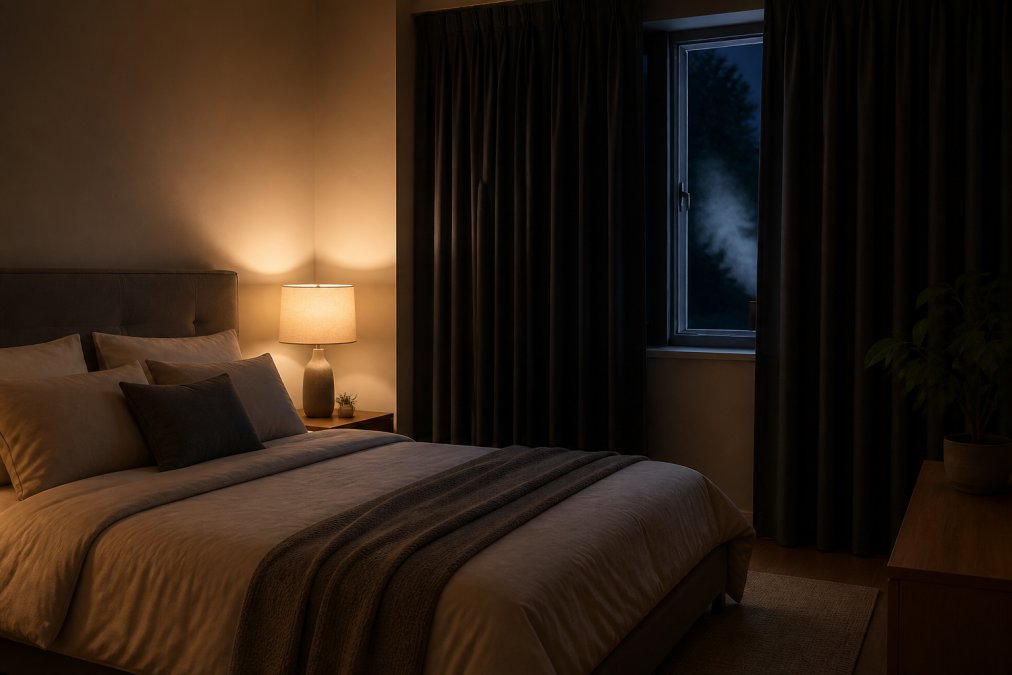
Reducing Noise and Screen Time
Noise disrupts sleep maintenance, pulling you from deeper stages back to lighter sleep. If your environment is naturally noisy, traffic, neighbours, family, white noise machines or earplugs create a consistent acoustic environment. White noise masks unpredictable sounds more effectively than silence, which can paradoxically feel jarring when sudden noises occur.
Screen time deserves its own emphasis because it's become the primary sleep disruptor in modern life. The blue light from devices delays melatonin release by 30-90 minutes depending on screen brightness and distance (peer-reviewed research). But the stimulation itself matters too. Scrolling social media or checking work emails activates your nervous system, making it harder to shift into the relaxed state sleep requires. Create a technology curfew: no screens in the hour before bed. Use this time for reading, light stretching, or conversation instead.
Foods That Help You Sleep and Support Better Rest
What you eat and when you eat it influence sleep quality substantially. Certain foods contain compounds that naturally support sleep, while others interfere with it. Understanding this relationship is part of learning how to improve sleep quality through nutrition.
Tryptophan-rich foods support melatonin and serotonin production. Turkey is famous for this, but it's not unique, chicken, eggs, cheese, nuts, and seeds all contain tryptophan. Pair these with carbohydrates, which help tryptophan cross the blood-brain barrier. A light snack of whole grain toast with almond butter two hours before bed creates an ideal combination.
Magnesium-rich foods calm your nervous system. Leafy greens, pumpkin seeds, almonds, and dark chocolate all contain meaningful amounts. A handful of almonds or a cup of chamomile tea (which also contains magnesium) one hour before sleep can noticeably improve sleep onset.
Avoid heavy meals within three hours of bedtime. Digestion requires energy and can trigger acid reflux, both of which disrupt sleep. If you're hungry close to bedtime, choose something light and easily digestible rather than skipping food entirely, which can cause midnight waking.
Manage Caffeine, Alcohol, and Their Impact on Sleep
Caffeine and alcohol create a false sense of control over sleep. Both feel like they help in the moment but systematically degrade sleep quality. Understanding their impact is essential for anyone serious about natural ways to improve sleep quality.
Caffeine is a central nervous system stimulant with a half-life of 5-6 hours. If you drink a coffee at 2pm, half of it remains in your system at 7pm. Most people should stop caffeine consumption by early afternoon, ideally by noon. This includes tea, energy drinks, and hidden sources like chocolate and some medications. If you're sensitive to caffeine, cut it off even earlier.
Alcohol initially makes you drowsy, which feels helpful. But it severely fragments sleep architecture. Alcohol suppresses REM sleep (the stage associated with memory consolidation and emotional regulation) and increases nocturnal waking. You may fall asleep faster but wake multiple times during the night, resulting in poor sleep efficiency and morning grogginess. If you drink alcohol, do so at least three hours before bed, and keep consumption moderate.
Both caffeine and alcohol interact with sleep medications and supplements. If you're taking anything to support sleep, discuss these interactions with your GP or pharmacist. Natural doesn't mean risk-free, especially in combination.
Relaxation Techniques for Sleep That Calm Your Mind
Mental activity is one of the most underestimated barriers to sleep. Your mind must transition from wakefulness to sleep, and this transition requires deliberate practice for many people. Relaxation techniques create this shift by engaging your parasympathetic nervous system, the biological "rest and digest" mode.
Breathing Exercises and Progressive Muscle Relaxation
Controlled breathing directly activates your parasympathetic nervous system. The 4-7-8 technique is simple and effective: breathe in for four counts, hold for seven, exhale for eight. The extended exhale is the key, it signals safety to your nervous system. Practice this for five minutes before bed. You'll feel a noticeable shift in your body's tension level.
Progressive muscle relaxation (PMR) involves systematically tensing and releasing muscle groups from your toes to your head. Tense each group for five seconds, then release and notice the sensation of relaxation. This teaches your body the difference between tension and relaxation, making it easier to release tension when you're trying to sleep. PMR typically takes 10-15 minutes and is remarkably effective for people whose minds race at bedtime.
Both techniques work because they occupy your mind with a specific task, preventing rumination. They also have measurable effects on cortisol levels and heart rate variability, indicators of nervous system state.
Bedtime Rituals and Meditation
A consistent bedtime ritual signals to your body that sleep is coming. This ritual needn't be elaborate, consistency matters more than complexity. A simple sequence might be: dim the lights, brush your teeth, do a five-minute breathing exercise, then get into bed. The repetition trains your nervous system to expect sleep.
Meditation is a formal relaxation technique that many find transformative for sleep. Unlike the goal-oriented focus of daily life, meditation involves observing thoughts without judgment. Ten minutes of meditation before bed quiets the mental chatter that keeps many people awake. Apps like Headspace and Calm offer guided sleep meditations specifically designed to ease the transition into sleep.

Physical Activity and Movement for Better Sleep
Exercise is one of the most reliable natural ways to improve sleep quality, yet timing matters significantly. Regular physical activity increases sleep duration and deepens sleep stages, but exercising too close to bedtime can backfire.
Aim for at least 150 minutes of moderate aerobic activity per week. This doesn't mean intense gym sessions, brisk walking, cycling, or swimming all count. People who exercise regularly fall asleep faster and experience less fragmented sleep. The mechanism involves both physical fatigue and the mood-regulating effects of movement.
Timing is crucial. Vigorous exercise within three hours of bedtime elevates heart rate and body temperature, making sleep harder. Exercise earlier in the day, ideally in the morning or afternoon. Morning exercise has the added benefit of synchronising your circadian rhythm with natural light exposure.
Gentle movement in the evening, stretching, yoga, or a slow walk, can support sleep without the stimulating effects of intense exercise. Yoga particularly benefits sleep because it combines physical movement with breathing and mindfulness, addressing multiple pathways to better rest.
Consistency in exercise matters more than intensity. Three moderate sessions per week is more effective for sleep than one intense session. Your body adapts to regular activity patterns, and this adaptation includes improved sleep.
Common Mistakes to Avoid
Most people sabotage their sleep improvements by making predictable errors. Recognising these mistakes accelerates your progress.
The biggest mistake is expecting immediate results. Sleep quality improvements take time. Your sleep architecture, the proportion of deep sleep and REM sleep, changes gradually. Give yourself at least three weeks of consistent effort before evaluating whether changes are working.
Another common error is trying to change everything at once. Pick three strategies from this guide and implement them together. Once these become automatic, add more. Attempting ten simultaneous changes overwhelms most people, leading to abandonment of all of them.
Many people also underestimate the impact of weekend inconsistency. Sleeping in on weekends disrupts your circadian rhythm just as much as going to bed late on weekdays. Consistency seven days a week is far more effective than five-day discipline followed by weekend chaos.
Relying on supplements without addressing behavioural factors is another trap. Valerian root, magnesium, and chamomile can support sleep, but they work best alongside the foundational practices described here. Supplements alone rarely solve chronic sleep problems.
Finally, avoid the perfectionism trap. One night of poor sleep doesn't erase your progress. One late night or caffeine slip doesn't require starting over. Sleep improvement is about long-term patterns, not perfection. Consistency beats flawlessness every time.
Poor sleep affects every aspect of your life, your mood, focus, immune function, and pain levels. If you've struggled with sleep for months or years, these natural approaches offer a genuine path forward. At Nader care, we understand that sustainable sleep improvement comes from understanding your own patterns and building practices that fit your life. Our ebook on sleep wellness combines these evidence-based techniques with personalised guidance, helping you identify which strategies work best for you. With our seven-email support programme, you'll receive tailored advice as you implement each step, transforming your sleep from a source of frustration into a genuine strength. Start tonight by choosing one strategy from this guide, your deeper, more restorative sleep is closer than you think.
Frequently Asked Questions
How long does it take to see results from natural ways to improve sleep quality?
Most people notice improvements in sleep latency and sleep quality within 1-2 weeks of consistently applying these methods. However, establishing a strong circadian rhythm and sustainable sleep habits typically takes 3-4 weeks. Your sleep architecture, the balance of light and deep sleep, improves gradually as your body adapts to a regular schedule and better sleep hygiene. Consistency matters more than perfection; small daily changes compound into lasting results.
What foods that help you sleep are most effective?
Foods rich in magnesium, calcium, and tryptophan promote sleep onset. Almonds, cashews, and pumpkin seeds contain magnesium that supports muscle relaxation. Chamomile tea, valerian root tea, and warm milk with honey are traditional sleep-inducing options with evidence supporting their use. Bananas provide both magnesium and tryptophan. Avoid heavy, spicy meals 2-3 hours before bed, as digestion can disrupt sleep maintenance and reduce overall sleep efficiency.
How do relaxation techniques for sleep actually work?
Relaxation techniques reduce cortisol levels and activate your parasympathetic nervous system, signalling your body it's safe to rest. Breathing exercises slow your heart rate and lower blood pressure. Progressive muscle relaxation releases physical tension that blocks sleep onset. Meditation and bedtime rituals create psychological cues that prepare your mind for sleep. Combined with a consistent sleep schedule, these techniques help establish a stronger sleep-wake cycle and reduce sleep disturbances caused by stress or racing thoughts.
Can I use sleep tracking technology alongside natural methods?
Yes. Sleep tracking devices and apps can monitor your circadian rhythm, sleep latency, and sleep architecture, helping you identify which natural methods work best for your body. However, avoid obsessing over data, as this creates anxiety that disrupts sleep. Use tracking to spot patterns over 1-2 weeks, then adjust your sleep hygiene or relaxation techniques accordingly. The goal is understanding your sleep quality, not achieving perfect metrics.